
National Institute of Mental Health and Neurosciences (NIMHANS), India
Abstract:
Background: Women are a vulnerable and underrepresented population in the study of addiction medicine. In addition to physiological and psychiatric vulnerabilities, women who use substances often present with psychosocial risk factors such as gender-based violence (GBV), perceived stigma, and disengagement from their communities. Studies have shown that GBV emerges as both a significant risk factor and consequence of substance use in women. Nevertheless, studies on women using substances have largely focused on the intimate partner violence dimension of GBV, are from the Western context, and are quantitative. These gaps in research necessitate the adoption of a qualitative synthesis methodology to comprehensively study GBV experiences in this population.
Methods: The aim of the study was to synthesize qualitative evidence on GBV experiences in women who use substances. We conducted a thematic synthesis to integrate findings from qualitative or mixed methods studies exploring GBV experiences in women using substances. The authors followed an iterative approach to searching the studies, wherein the search was concluded once theoretical saturation was reached. The review of the studies was conducted in the period of 3 months, between May – July, 2026. Studies focusing on experiences of gender-based violence, specifically intimate partner violence, domestic violence, and institutional violence in women who were diagnosed with substance dependence or had harmful/ hazardous substance use, in the age range of 18-55 years were included. 23 studies, published in English, from January, 2015- December, 2025 were included. All qualitative or mixed method studies published as original journal articles were included. These articles were retrieved from PubMed, PsycINFO, ScienceDirect, and Google Scholar databases. Studies were also retrieved from the reference lists of selected articles. The key search entry consisted of the following terms: “women” OR “female” AND “cisgender” AND “substance abuse” OR “substance dependence” OR “substance misuse” OR “illicit drug use” AND “gender based violence” OR “violence” OR “abuse” OR “domestic violence” OR “intimate partner violence” OR “Institutional violence” OR “sexual violence” OR “sexual abuse” OR “sexual assault” OR “physical violence” OR “physical assault” OR “psychological violence” OR “emotional abuse” OR “coercive control” AND
“experience” OR “lived experience” OR “narrative” OR “qualitative” OR “phenomenology” OR “focus group” OR “mixed method”. 2 independent reviewers screened through the studies, sifting through the abstracts, and then conducting a review of the results and discussion for appropriate studies. CASP Qualitative Checklist was used for quality appraisal of individual studies. The NVivo version 12 was used for generating themes.
Results: The synthesis resulted in 6 major themes, which were further divided into 22 subthemes. The 5 major themes were experience, perception, and attribution of the GBV; GBV and substance use; other risk factors and intersectional positions; response and coping after the violence; psychological aftermath of the violence; and identity through the violence and substance use.
Conclusion: The present qualitative synthesis aims to effectively integrate the qualitative findings exploring the experiences of GBV in women using substances. The author has considered a critical realist ontology, and an intersectional and a feminist lens while interpreting the findings. The findings have implications in developing gender sensitive and trauma-informed mental healthcare in women using substances.
Biography:
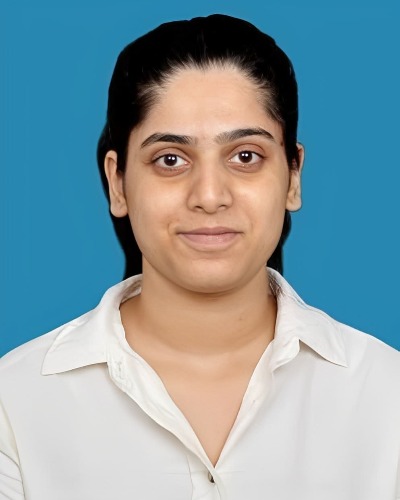
Ms. Shruti Kharade is a PhD Scholar, studying in the Department of Clinical Psychology at the National Institute of Mental Health and Neurosciences (NIMHANS), Bengaluru, Karnataka, India. Her PhD Thesis is based on understanding the identity of women using substances through the framework of gender-based violence experiences, trauma, and personality strengths. She also has clinical experience in working with women who have undergone gender-based trauma and substance use.
© 2026 Mathews International LLC. All rights reserved.
