
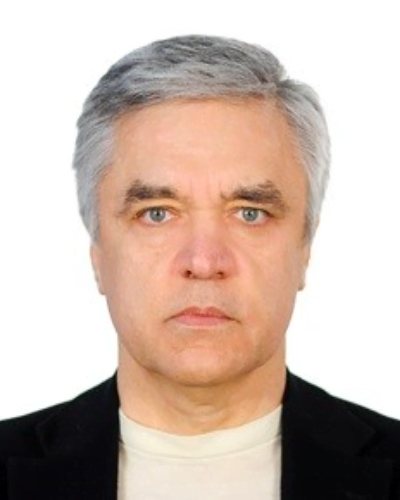
Vice-Director
N.D. Zelinskii Institute for Organic Chemistry of the Russian Academy of Sciences, Russian Federation
Abstract:
The goal of Personalized & Precision Medicine (PPM) is to deliver optimally targeted and timed in-terventions tailored to an individual’s molecular drivers of disease. Neuropsychiatric disorders are complex conditions with multifactorial etiologies, in which genetics play a pivotal role - in this con-text, those disorders are promisingly suited models for PPM because of the rapidly expanding genet-ic knowledge base, phenotypic classification, the development of biomarkers and the potential modi-fying treatments. Neuropsychiatric diseases have high degrees of genetic and pathophysiological heterogeneity, irrespective of clinical manifestations. Advances in disease modeling and methodo-logical design have paved the way for the development of personalized neurology, psychiatry and neuropsychiatry (PNPNP). So PNPNP-guided approach is the application of principles of PPM, ie, the prescription of specific therapeutics best suited for an individual taking into consideration both genetic and environmental factors that influence response to profiled therapy. The aim is to improve the efficacy and reduce the adverse effects of various therapies. Biomarkers, biomarker-driven tar-geting and integration of diagnostics with therapeutics are important for the selection and monitoring of treatments of neuropsychiatric disorders, covering: molecular profiling, clinical evaluation, person-alized diagnosis, targeted treatment selection, monitoring and adjustment.
Neuropsychiatric and mental diseases (NPMDs) have high degrees of genetic and pathophysiological heterogeneity, irrespective of clinical manifestations. The potential benefits of PPM in the area of NPMDs are significant. By identifying biomarkers and disease subtypes, PPM can help to predict disease course and response to treatment. Furthermore, by developing targeted therapies, PPM can improve treatment efficacy and reduce the risk of adverse effects. Precision Diagnostics is a critical component of PPM in NPMDs and is essential for the successful implementation in the field of NDDs. The identification of accurate and reliable biomarkers and molecular imaging techniques can help to diagnose the disease earlier and more accurately, and monitor disease progression. Addition-ally, advancing technologies in neuroimaging and genomics could help bridge the gap between ge-netic findings and clinical outcomes. Further progress is driven by OMICS technologies, such as NGS sequencing, mass-spectrometry and microarray assays. Significant advancements in biological understanding will also require concurrent progress in functional genomics and other OMICS subar-eas, particularly when applied to the brain across different developmental stages. Moreover, advanc-es in genomic research and polygenic risk scores (PRSs) support the perspective of personalized risk stratification and medication selection. In neuropsychiatric genetics, PRS typically uses tens of thou-sands to millions of single nucleotide polymorphisms (SNPs), depending on the specific disorder, in-cluding schizophrenia, major depressive, bipolar or autism spectrum disorder). PPM-guided neuro-psychiatry aims to enhance diagnostic accuracy and customize mental health treatments by address-ing the unique neurobiological profile of each individual.
Innovations in gene editing and RNA-based treatments could provide precise therapeutic strategies for conditions like schizophrenia. Furthermore, PPM could pave the way for personalized treatment regimens that consider not only genetic makeup but also an individual’s unique environmental and lifestyle factors.
Of special interest are biomarkers (DNA, RNA or protein ones), which have been much more repro-ducible to date than genetic GWAS findings, have a more pronounced effect, and are thus clinically actionable and used in clinical practice. Protein biomarkers, including IL-2, S100B, and NfL, and the kynurenine pathway illustrate the role of immune and metabolic dysregulation. Circadian rhythm dis-turbances and the gut microbiome have also emerged as critical trans-diagnostic contributors to neu-ropsychiatric manifestations and outcomes. In the future, metabolites of neurotransmitters (such as serotonin) based on biological pathways highlighted by the mRNA biomarkers mentioned may be-come validated and useful in clinical practice. Meanwhile, network connectivity patterns (based on network-based biomarkers/NBBs) provide insights into the neural mechanisms underlying neuropsy-chiatric disorders and serve as potential biomarkers of the next-step generations for personalized in-terventions. Disruptions in brain networks are key factors in neuropsychiatric disorders. Biomarkers, biomarker-driven targeting and integration of diagnostics with therapeutics are important for the se-lection and monitoring of treatments of neuropsychiatric and mental disorders, covering: molecular profiling, clinical evaluation, precision diagnosis, targeted treatment selection, monitoring and ad-justment. Globally, biomarkers would lead to more targeted drug development, with better outcomes and even the possibility of companion diagnostics (or theranostics).
The future of PNPNP lies in multimodal digital data, enabling the principles of PPM to be applied in neuropsychiatric disease diagnostics, treatment, and monitoring at scale, expanding the benefits to everyone. This approach offers a highly accessible, cost-efficient, and non-invasive approach for di-agnosing neuropsychiatric diseases at their clinical and subclinical stages, placing an individual pre-cisely along a disease continuum, and providing the most effective possible canonical and preventive treatment pathways.
By offering a data-driven, individualized approach to diagnosis and treatment, PPM-guided neuro-psychiatric approach promises to alleviate the suffering associated with the current trial-and-error model. This paradigm shift holds the potential not only to significantly improve patient outcomes and quality of life but also to transform our fundamental understanding and management of mental health conditions, paving the way for a more effective, compassionate, and truly personalized future.
Biography:
Sergey Suchkov was born in the City of Astrakhan, Russia, in a family of dynasty medical doctors. In 1980, graduated from Astrakhan State Medical University and was awarded with MD. In 1985, Suchkov maintained his PhD as a PhD student of Sechenov University and Institute of Medical En-zymology. In 2001, Suchkov maintained his Doctor Degree at the National Institute of Immunology, Russia. From 1989 through 1995, a Head of the Lab of Clinical Immunology, Helmholtz Eye Re-search Institute in Moscow. From 1995 through 2004 - a Chair of the Dept for Clinical Immunology, Moscow Clinical Research Institute (MONIKI). In 1993-1996. At present, Dr Sergey Suchkov, MD, PhD, is: Vice-Director for Research and Development of the National Center for Human Photosynthesis, Aguascalientes, México. Member of the New York Academy of Sciences, USA; Russian Academy of Natural Sciences, Russia; American Chemical Society (ACS), USA; American Heart Association (AHA), USA; Euro-pean Association for Medical Education (AMEE), Dundee, UK; EPMA (European Association for Predictive, Preventive and Personalized Medicine), Brussels, EU; ARVO (American Association for Research in Vision and Ophthalmology); ISER (International Society for Eye Research); Personalized Medicine Coalition (PMC), Washington, DC, USA.
© 2026 Mathews International LLC. All rights reserved.
