
Abstract:
Introduction: Indigenous small?numbered peoples of Siberia and the Far East of the Russian Federation are peoples with a population of less than 50,000 people, living in the territories of their ancestors’ traditional settlement, preserving their traditional way of life, economic activities and crafts, and considering themselves to be independent ethnic communities. The main occupations are animal husbandry, fishing, and artistic crafts.
Numerous expeditions by staff of the Research Institute of Mental Health (Tomsk, Russia) made it possible to identify certain ethnocultural features of mental health.
Methods: traditional methods of psychopathological examination were used, along with traditional scales (Quality of Life, Anxiety Level, Aggressiveness, Coping Strategies). Interviews were developed that take into account the ethnocultural characteristics of indigenous peoples.
Results: The ethnocultural factor determines the specific clinical features of schizophrenia, with a large number of hallucinatory disorders in the Tuvinians. For the Yakuts, it is characteristic of an earlier development of alcohol dependence syndrome and the development of a pseudo?binge form of alcoholism. Many ethnic groups have documented conditions that could be classified as prenosological disorders – psychoadaptive syndrome and psychodisadaptive syndrome. As a rule, these conditions are defined as diseases of the spirit.
Conclusion: The development of telepsychiatry, remote counseling, and the involvement of religious leaders in the treatment, rehabilitation, and preventive processes helps to make the treatment process more effective. The incorporation of myths and fairy tales into psychotherapeutic techniques, as well as the use of traditional activities in the rehabilitation process (for example, hippotherapy – adaptive horseback riding, etc.), makes the process more understandable and fosters compliance between doctors and patients. Involving staff who were born and raised in these areas and have state?funded medical education in scientific and clinical research makes it possible to achieve an optimal understanding of the disease and the possibilities of treatment.
Biography:
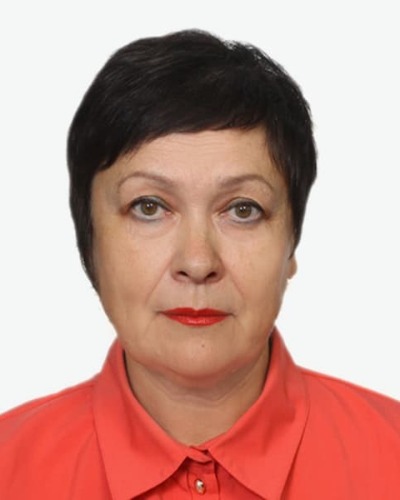
Irina Kupriyanova is a leading specialist in cultural psychiatry. From 2018 to 2024, she served as a member of the Board of Directors of the World Association of Cultural Psychiatry. She was awarded a certificate from the World Association of Cultural Psychiatry for fundamental and pioneering research in cultural psychiatry (Columbia University, New York, USA, 2018).
© 2026 Mathews International LLC. All rights reserved.
