
Abstract:
Background: Tobacco smoking remains an important preventable cause of morbidity and mortality, particularly among occupational populations where access to structured cessation support may be limited. This study evaluated the effectiveness of smoking cessation counselling combined with text-message support among male textile workers in Pakistan.
Methods: A two-arm, parallel cluster randomized controlled trial was conducted among 1,700 male smokers from 34 textile factories in Faisalabad, Pakistan. Factories were randomized to intervention (n=850) or control (n=850) groups. Participants in the intervention group received structured group-based smoking cessation counselling supplemented by weekly text messages for six months, while the control group received printed smoking cessation brochures. The primary outcome was continuous smoking abstinence at six months, assessed by self-report and biochemically verified using expired-air carbon monoxide (CO <10 ppm). Secondary outcomes included nicotine dependence, motivation to stop smoking, and stages of behavioral change. Generalized linear mixed models were used to account for clustering at the factory level.
Results: At six months, self-reported continuous abstinence was achieved by 19.6% of participants in the intervention group compared with 4.1% in the control group. CO-verified continuous abstinence was 19.3% versus 3.5%, respectively. The intervention was strongly associated with increased odds of smoking abstinence in the mixed-effects analysis (OR=9.60; 95% CI: 4.17–22.13; p<0.001). The intervention group also demonstrated substantial improvements in readiness to quit, with more participants progressing to the action stage, together with reductions in nicotine dependence and increased motivation to stop smoking.
Conclusion: Group-based smoking cessation counselling supplemented with weekly text-message support substantially improved smoking abstinence and behavioral indicators of cessation among male textile workers in Pakistan. Integrating structured counselling with mobile-phone-based support may provide a practical approach for delivering smoking cessation interventions within occupational settings in low- and middle-income countries.
Keywords: Smoking cessation; text messaging; behavioral counselling; textile workers; cluster randomized controlled trial; Pakistan
Biography:
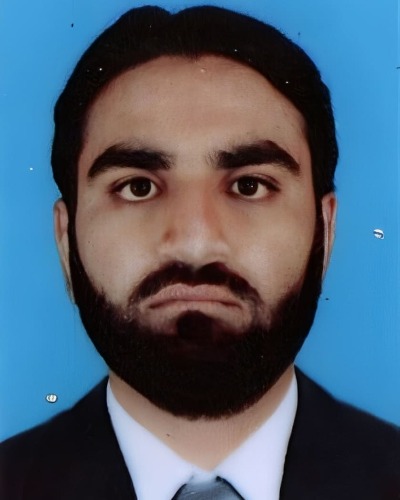
Ishtiaq Anwar is a PhD student in the Department of Social and Preventive Medicine, Faculty of Medicine, Universiti Malaya, Malaysia. His doctoral research focuses on smoking cessation, behavioral counselling, mobile health interventions, and occupational health. His current research evaluates the effectiveness of smoking cessation counselling combined with text-message support among textile workers in Pakistan using a cluster randomized controlled trial. His academic and research interests include public health, health promotion, behavioral change, tobacco cessation, and preventive health interventions.
© 2026 Mathews International LLC. All rights reserved.
