
Institute of Mental Health, Singapore
Abstract:
Background: Youth substance use is an increasing concern in Singapore and is often associated with difficulties in family relationships, school engagement, emotional regulation, and social participation. The 3E Youth Programme was adapted from the existing Mandatory Etomidate-Laced Rehabilitation Programme for adults to provide early intervention for adolescents identified as being at high risk of drug use who were below 16 years of age at the time of their third arrest. Delivered through a collaboration between the National Addictions Management Service (NAMS) and Developmental Psychiatry, the programme adopts a multidisciplinary approach involving addiction counselling, psychology, occupational therapy, and medical social work.
Occupational therapy was incorporated to enhance recovery-oriented care through a focus on occupational participation and everyday functioning. This emerging role supports adolescents in translating treatment gains into sustainable participation in everyday life and long-term recovery.
Aim: This service improvement project aims to explore the emerging role and contribution of occupational therapy within a multidisciplinary adolescent addiction treatment programme. Specifically, it seeks to explore how occupational therapy may support participation in everyday activities, recovery, and treatment engagement among adolescents at high risk of substance use.
Methods: The occupational therapy programme was informed by the Model of Human Occupation (MOHO) and consisted of twelve structured group sessions covering six domains: social participation, daily routines and time use, leisure and meaningful activities, healthy habits, emotional regulation, and occupational identity. Sessions were co-facilitated by an Occupational Therapist and a Therapy Associate.
Recognising that adolescents in mandatory treatment may be reluctant to engage, the programme adopted an activity-based approach combining group activities, guided reflection, discussion, and structured worksheets. Programme evaluation included pre- and post-intervention Model of Human Occupation Screening Tool (MOHOST) assessments, qualitative analysis of participant reflections and worksheets, and therapist observations.
Preliminary Findings: The occupational therapy programme is currently midway through its first implementation cycle. Early observations suggest that participants commonly experience disrupted routines, poor occupational balance, reduced engagement in leisure interests, difficulties with school participation, strained family relationships, and reliance on ineffective coping strategies. Early observations suggest that some participants demonstrate low readiness for change and may engage more readily through activity-based approaches than discussion-based interventions alone.
Early implementation findings suggest that activity-based engagement, clear programme expectations, structured session formats, and individual reflection tools were associated with greater participation and engagement. These observations highlight the importance of understanding substance use within the broader context of an adolescent's daily life and occupational participation, rather than viewing it solely as an isolated behaviour.
Conclusion: Occupational therapy offers a distinct contribution to adolescent addiction services by focusing on the impact of substance use on everyday participation, including routines, habits, relationships, roles, and engagement in meaningful activities. Preliminary findings suggest that occupational therapy may contribute to multidisciplinary treatment by helping clinicians better understand the occupational factors that influence both substance use and recovery. Ongoing evaluation will inform service development and support the continued development of occupational therapy practice within addiction services in Singapore.
Biography:
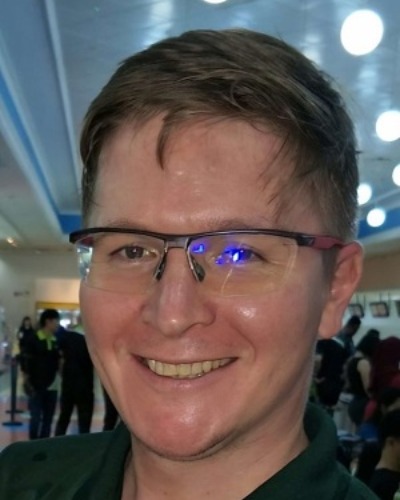
David is an occupational therapist with over 15 years of experience in the UK and Singapore, primarily working with adults in mental health. During his time in the UK, David gained extensive experience in forensic services, alcohol services, inpatient adult mental health, and community mental health services for older people. David is currently based in Singapore at the Institute of Mental Health, where David works in addiction services and psychiatry wards with adults who have acute and chronic mental health needs. David provides assessments to support their rehabilitation goals and overall life aspirations.
© 2026 Mathews International LLC. All rights reserved.
