
Institute of Mental Health, Singapore
Abstract:
Background: For drug-dependent individuals, physical exercise offers numerous health benefits by improving physical functioning, mental wellbeing, and quality of life, while reducing cravings. Regular exercise enhances mood and motivation through the release of natural feel-good chemicals such as endorphins, serotonin, dopamine, endocannabinoids, adrenaline, and noradrenaline. These chemicals help regulate sleep, reduce stress, improve appetite, and enhance focus.
Individuals with substance addiction often prioritise drug-related activities, resulting in unhealthy lifestyle patterns and withdrawal from mainstream social environments. Integrating structured exercise into addiction treatment may help re-establish healthier routines and support long-term recovery.
Methods: Reference guidelines for implementing exercise interventions were drawn from previous exercise-based studies and the Ministry of Health Singapore’s recommendations. After establishing the programme structure, modifications were made to ensure alignment with local inpatient hospital policies within the Inpatient Stabilisation Programme.
Participants were drawn from the National Addiction Management Service (NAMS) Inpatient Stabilisation Programme at the Institute of Mental Health, Singapore. All individuals admitted to the programme were automatically enrolled in the study. Eligibility criteria included being at least 18 years old, completing the detoxification phase as assessed by the medical team, and reaching the readiness-for-action stage on the Stages of Change Model.
A weekly 1-hour progressive aerobic and strength-training session was conducted in the Mindset Rehabilitation Gym. Each session consisted of a 5-minute warm-up followed by four exercise components with 3-minute breaks. These included two 10-minute bouts on the exercise bike or cross-trainer, followed by group Tabata exercises; two 6-minute segments using fixed gym equipment; and floor-based exercises incorporating free weights and kinaesthetic techniques. Sessions concluded with stretching, breathing exercises, and a discussion on “opportunities for action” to encourage participants to integrate exercise into their long-term recovery plan post-discharge.
After each weekly session, participants completed a survey evaluating their previous physical activity engagement, their experience of the in-house programme, and their intentions to use exercise as part of their lifestyle changes post-discharge.
Results: Data were collected from August 2025 to 25 November 2025. Twenty-six participants completed the survey using a 1–5 rating scale. Of these, 38.5% had not engaged in regular exercise in the six months prior to admission. All participants reported increased confidence after completing one session, and overall feedback about the programme was positive. Additionally, 85% rated their confidence to continue exercising after discharge at 4 or above.
Participants identified enablers and barriers to sustaining regular exercise. Top enablers were having a coping strategy, access to resources, and adequate skills. The main barriers reported were mood, addiction-related challenges, and time constraints.
Conclusion: This study highlights strong participant interest and increased confidence gained from engaging in structured exercise during inpatient treatment. Exercise may serve as a low-cost, non-invasive adjunct to established addiction programmes and support long-term recovery.
Biography:
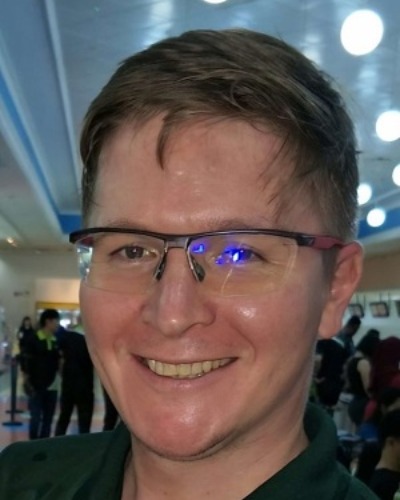
David is an occupational therapist with over 15 years of experience in the UK and Singapore, primarily working with adults in mental health. During his time in the UK, David gained extensive experience in forensic services, alcohol services, inpatient adult mental health, and community mental health services for older people. David is currently based in Singapore at the Institute of Mental Health, where David works in addiction services and psychiatry wards with adults who have acute and chronic mental health needs. David provides assessments to support their rehabilitation goals and overall life aspirations.
© 2026 Mathews International LLC. All rights reserved.
